
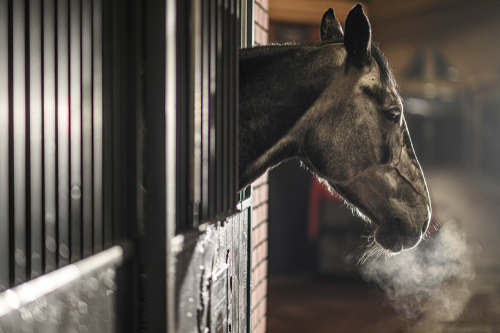
Arizona summers can push arena thermometers past 110 °F, turning routine rides into potential health risks for horses. When daylight and desert heat intersect, dehydration, muscle fatigue, and even heat stroke loom large for equine athletes and trail partners alike. The solution lies in choosing horse boarding in Arizona that treats heat management as a daily science rather than a seasonal afterthought. By blending structural design with smart scheduling, John Volken Ranch proves that summer riding can remain safe and productive.
Ready to give your horse that level of care? Schedule a tour at John Volken Ranch today.
1. Deep-Shade Stalls with Free-Flowing Air
Horses can accumulate body heat rapidly when daytime highs hover near 110 °F. University of Arizona Cooperative Extension warns that anything above 98 °F enters the equine “danger zone,” especially if humidity rises. Well-designed barns therefore orient roofs for cross-breezes, add 12- to 14-foot ceilings, and cover pipe corrals with reflective panels.
Shade trees or overhangs further cut solar gain, giving horses a retreat that lowers skin temperature by as much as 15 °F—an essential baseline whether you board in Gilbert or larger phoenix ranch properties.
2. Cool-Window Turnout and Riding Schedules
Extension specialists advise working horses “as close to sunrise as possible” and again after dusk to avoid peak radiant heat. The best horse boarding programs create turnout blocks from 5 – 9 a.m. and 7 – 10 p.m., preserving daylight exercise while sidestepping asphalt-level temperatures that can exceed ambient readings by 20 °F. Owners often find their horses stay both fitter and more relaxed when training sessions are scheduled for the desert’s cooler dawn and dusk hours instead of the scorching midday heat.
3. Unlimited Cool Water and Electrolyte Support
Automatic waterers checked twice daily and salt blocks placed in every stall keep dehydration at bay. AAEP hydration guidelines stress that a 1,000-pound horse may drink 15 – 20 gallons per day in full sun, and sweating strips sodium, chloride, and potassium needed for muscle function. Boarding barns that offer flavored buckets or pelletized electrolytes on heavy-work days outperform typical horse boarding in Phoenix where plain water is the only option.
4. High-Capacity Fans and Precision Misting
Evaporative cooling is a game-changer in low-humidity climates. Research from the arid Southwest shows that shade paired with air movement reduces core temperature more effectively than shade alone. Industrial fans positioned above aisles move 15,000–20,000 CFM, while overhead misters can drop ambient readings by 10–15 °F without over-wetting arena footing. These upgrades are becoming standard across premium barns that host summer schooling shows.
5. Workload Adjusted to Heat-Index Thresholds
Many caretakers use the simple formula “air temperature + relative humidity.” When the total hits 150, workout intensity should fall; above 180, riding is best postponed. Cooperative Extension bulletins recommend this metric as an early-warning system for heat stress. Trainers at facilities increasingly adopt heart-rate monitors to gauge real-time exertion, swapping strenuous jump courses for light-flat sessions when numbers climb.
6. Rapid Post-Ride Cool-Down Stations
AAEP cooling protocols call for immediate hosing with 60 – 70 °F water, scraping, and repeating until respiration normalizes. Rubber-matted wash racks with shade, high-flow hoses, and box fans accelerate recovery and cut the risk of “tying-up.” Riders new to horse boarding often find that a structured 10-minute cool-down makes the difference between a relaxed horse and a heat-stressed one.
7. Heat-Adjusted Feeding Times and Rations
Digesting roughage generates metabolic warmth, so many barns shift hay feedings to early dawn and late evening. University of Arizona nutrition notes also favor alfalfa for its calcium content, which supports muscle contraction during heavy sweating. Some managers add soaked beet pulp or low-starch pellets at lunchtime, supplying moisture and slow energy release without extra heat load.
8. Continuous Staff Surveillance and Record-Keeping
No gadget replaces a trained eye. Boarding staff who track skin-pinch hydration tests, capillary refill, and respiration every few hours spot trouble before it escalates. The most reputable horse boarding in Arizona logs these observations digitally, alerting veterinarians when any vitals stray outside norm. Proactive monitoring ensures that horses—from retirees to show jumpers—stay safe across the desert’s hottest stretch.
Ready for Safer Summers?
Whether you show up on the A-circuit or relax on weekend trail rides, safeguarding your horse during Arizona’s blistering summers demands a boarding facility that treats heat management as science, not improvisation. John Volken Ranch meets that standard with vigilant staff who prioritize equine welfare every hour of the day. Secure your stall before the temperatures climb again—call 480-490-7207 or email ranch.store@volken.org.