
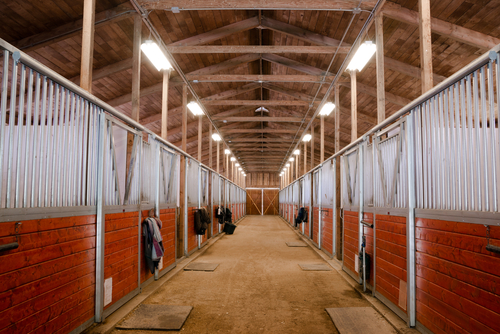
With nearly 3,900 hours of annual sunshine, Phoenix tops every major U.S. city for clear riding days. That steady, arid climate keeps arenas firm and hoof walls dry, giving horse boarding in Arizona a built-in health advantage over wetter states. At John Volken Ranch in Gilbert, those weather perks pair with shade trees, irrigated paddocks, and a quiet farm road that links quickly to Queen Creek and the Phoenix freeway grid. Whether you’re a weekend trail rider or a hunter-jumper competitor chasing points, knowing how the desert affects footing, feed, and fees will help you budget wisely and keep your horse thriving.
How Much Will You Spend?
Arizona board prices mirror the state’s varied geography. Facilities within walk-out distance of metropolitan showgrounds cost more than wide-open ranches farther from freeway interchanges, but statewide data fall into an identifiable band: national surveys place full-care board between $500 and $2,000 a month, with the lower half of that range common in the Phoenix and Tucson corridors. In practice, desert barns offering pipe corrals and basic sand arenas often start near $400, while insulated barns with covered rings and resident trainers can touch $900 without leaving the mid-market tier.
Four Variables That Drive Your Monthly Bill
Before the first invoice lands in your inbox, it helps to know why one yard charges more than another.
- Location – A ZIP code near Scottsdale’s upscale suburbs or central Phoenix show venues can add $150–$300 over similar acreage in Gilbert or Queen Creek.
- Care Level – Pipe corrals cost the least; mare motels with welded shade structures sit in the middle; air-cooled barn stalls with daily grooming occupy the top rung.
- Amenities – Covered arenas, hot walkers, and show-quality jump packages raise rates but also boost a competitive horse’s resale value.
- Add-Ons – Holding for farrier visits, blanket changes, or night-lighting fees can tack on $25–$75 each month if they are not bundled into the base board.
What “Full Care” Should Actually Include
The phrase “full board” appears on almost every Craigslist ad, yet definitions vary. Use this service checklist as a benchmark when touring barns, adjusting for any extras you truly need.
- Feed and Water – Twice-daily hay—Bermuda or alfalfa—plus clean automatic waterers; some yards offer lunch pellets for a modest surcharge.
- Stall Sanitation: – Cleaning five to seven days a week, with a weekly deep strip in high-traffic seasons.
- Turnout – At least three sessions per week; dawn or dusk turnout is common during triple-digit afternoons.
- Arena Access – One or more sand rings that drain quickly during monsoon bursts, plus round pens for safe lounge sessions.
- Hours – Gates typically open around 5 a.m. and close near 10 p.m. so both early-bird and after-work riders can school.
Hidden Fees That Can Sneak Up on You
Even reputable facilities rely on optional services to keep base rates attractive. Ask pointed questions about these frequent extras before signing a contract.:
- Trailer Parking
- Supplement Administration
- Vet or Farrier Holding
- Arena Lighting
Transparent managers post every optional charge online; if numbers feel vague, keep shopping for horse boarding in Arizona until the math is clear.
Smart Tactics to Keep Costs Under Control
Group economics thrive in the desert horse scene:
- Split Bulk Deliveries – Sharing a pallet of shavings or a hay truckload with aisle neighbors can trim supply costs by 15 percent.
- Coordinate Vet Days – Multi-horse farm calls often drop the per-horse fee by $40.
- Audit Clinics for Free – Many barns waive auditing costs for resident boarders when visiting trainers host weekend sessions.
- Book Sunrise Walker Slots – Using the hot walker at dawn avoids heat stress and, at some facilities, evening lighting surcharges.
- Negotiate Group Move-Ins – Some yards reduce board by $25–$50 per horse when three or more friends sign contracts together, a common incentive at horse boardings in Queen Creek.
A Smooth Transition Plan
Most barns follow a similar sequence: secure a written stall assignment, provide current vaccinations and a negative Coggins, drop off a detailed feed chart, and haul in during early morning when desert temperatures are kindest. Review policies, lesson scheduling, and arena etiquette in advance to keep aisles calm. Completing these steps will make your first month smoother than a freshly dragged arena—particularly important during the scorching months typical of a horse boarding in Arizona.
Ride More, Worry Less
John Volken Ranch pairs Arizona’s sunshine advantage with honest pricing, clear fee schedules, and a mission that channels every boarding dollar into life-skills programs. You and your horse gain access to well-groomed arenas, shade-cooled stalls, and a welcoming community, while our crew handles the heavy lifting on move-in day. Schedule a visit or email ranch.store@volken.org—contact us today and begin the next chapter of your equestrian journey.